Reverse Merger
The fastest route, and the one that deserves the most scrutiny.
A private company merges with an existing public shell and inherits its listing, without the underwriting process of a traditional IPO. In the right situation, it's a faster and more cost-effective path to the public markets. In the wrong one, it brings complexity and risk founders often don't anticipate.
A reverse merger buys you time: about four to six months instead of seven to eight for an IPO. It doesn't buy you out of audits or disclosure, and you inherit everything the shell ever did, including what nobody wrote down. Joel has used it 4 times among the 17 companies he has taken public, when speed had a specific value and a clean vehicle was available.
What a reverse merger involves
The private operating company merges with a public shell and exchanges its shares for control of the public company. The result is a listed company that never went through the IPO process. The appeal is speed and cost. The risk is what comes with the shell.
The shell's history comes with it
Every public shell carries a legal and financial history, including contingent or undisclosed liabilities that may not be visible when you do the deal. A shell that looks clean at the start can surface problems after closing that delay execution, raise costs and undermine credibility with investors and regulators.
It isn't a shortcut
A reverse merger needs the same financial and regulatory preparation as the other routes: audited financials, complete disclosures and governance in place. Founders who treat it as a way around those requirements usually run into more difficulty, not less.
The outcome depends less on the mechanism than on how well it's structured and executed. Done correctly, the company operates credibly as a public company from day one. Done poorly, it creates compliance issues, shareholder disputes and reputational problems that are hard to unwind.
Choosing a clean public shell
Not all public shells are the same. Many carry legacy problems: toxic debt, litigation, contingent liabilities, shareholder disputes or a troubled management history. These often stay hidden at the outset and surface after closing, when they delay execution, raise costs and undermine credibility.
A clean shell is free of debt, lawsuits, contingent liabilities, shareholder disputes and governance issues. It gives your operating business a compliant, credible platform without inheriting problems that have nothing to do with you. We identify and vet clean shells as part of the reverse merger process. What gets filed at closing matters too: see what a Super 8-K is and how to avoid problems on day one.
A note on Nasdaq shells
They are far less accessible than most founders assume. They often cost several million dollars, and they are usually controlled by sophisticated holders with their own expectations on valuation and structure. For most companies, a cleaner starting point with a planned uplisting later is the better route.
Why TSX Venture shells are often the strongest option
Certain shells listed on the TSX Venture Exchange carry no liabilities and no prior operating history. They work much like micro-SPACs, built specifically to bring a private company to market, which makes the process more predictable and controlled. For a U.S. company, a TSX Venture listing brings its own reporting and tax questions: you report under Canadian securities rules, and U.S. rules still govern how shares are sold to U.S. investors. We work through these with your securities lawyer and accountant before you commit.
Capital comes first
We do not raise capital for you, and brokers are not usually involved in the merger itself. The money to complete the transaction comes from a private placement to your own network, raised before or alongside the process. For typical figures, see how much a reverse merger costs.
How we work
We guide you through the full process, from deciding whether a reverse merger is the right structure to coordinating every workstream that has to move together through closing and beyond:
- Identifying shell companies and conducting due diligence on them
- Structuring merger terms and shareholder protections
- Coordinating audits and regulatory filings
- Drafting disclosures and responding to SEC comments
- Guiding the appointment of market makers, auditors and transfer agents
- Advising on governance, board structure and investor relations readiness
Every engagement starts with The Four Levers Program, a written plan for $10,000, fixed, with nothing owed after. If you go on to a reverse merger, we’re paid a monthly fee plus equity, agreed in writing before each step starts. We’re not paid on the size of any raise. Our interest is in the company’s long-term value, not just completing the transaction.
Beyond the merger
A reverse merger is a starting point, not a finish line. Once public, the company takes on ongoing obligations around financial reporting, disclosure and investor communications. Legacy shareholders from the shell may sell into the market, creating early price pressure that needs careful management. And the company has to start building the investor relationships and market credibility that decide what becomes possible over time.
We stay with you through that transition, not just through closing, setting up reporting frameworks, disclosure practices and investor communications. The goal is a company that isn't simply listed, but prepared to operate and grow as a public company.
Is a reverse merger right for your company?
It tends to make sense when you want to reach the public markets efficiently, without the underwriting costs and longer timeline of an IPO, and you have the capital readiness and organizational foundation to complete the process and meet the obligations that follow. It's particularly well suited to founder-led businesses that want to be public but can't justify the cost, complexity and timeline of a traditional IPO.
It isn't the right structure for every company:
- If raising substantial institutional capital at listing is the main goal An IPO is likely the better path.
- If you're already well capitalized and want a clean, controlled listing Consider a direct listing first.
The right answer depends on your situation. Committing to a structure before evaluating that clearly is one of the more common, and costly, mistakes founders make.
Frequently asked questions
How is a reverse merger different from an IPO or direct listing?
In a reverse merger, a private company merges with an existing public shell to acquire a listing, typically without raising capital in the transaction. In an IPO, new shares are sold through underwriters to raise capital at listing. In a direct listing, existing shares are listed without raising new capital. Each path has different costs, timelines, and effects on the company's investor base and life after listing.
What makes a shell "clean"?
No legacy debt, no litigation exposure, no contingent liabilities, no shareholder disputes and no governance complications. It's a neutral platform for the operating company to enter the public markets without inheriting problems unrelated to its business. Shell quality is one of the biggest factors in whether a reverse merger goes smoothly.
Does a reverse merger raise capital?
Not automatically. The merger gives you public status but doesn't raise funds. Once public, companies often pursue private investments in public equity (PIPEs), secondary offerings or other structured financings to support growth. The value of the listing is that it makes those later raises more accessible.
How long does a reverse merger take?
A well-structured reverse merger typically takes four to six months from start to closing, depending on shell selection, audit readiness and regulatory requirements. The idea that one can be done in weeks is rarely accurate in practice.
What does it cost?
It starts with The Four Levers Program: a written plan for $10,000, fixed, with nothing owed after. If the plan calls for a raise, Raise-Ready is $15,000, fixed. The reverse merger itself is on a monthly fee plus equity, agreed in writing before it starts, and you can stop after any step and owe nothing further. Third-party costs for a reverse merger, such as accounting, audit, legal, the shell and exchange fees, are additional, paid directly to those providers, and typically run $400,000 to $600,000, depending on the shell, the exchange, and your audit and compliance requirements. We’ll estimate them once we’ve seen your financials. You don’t need this money sitting in the bank. In almost every case, the private placement is structured so you and your team can raise capital from your personal and professional networks to cover these costs, often with growth capital on top, and sometimes capital for acquisitions too. Your own outlay is the plan and the preparation. The people who already know you pay for the rest.
What are the main risks?
Inheriting undisclosed liabilities from the shell, early selling pressure from legacy shell shareholders, and less initial visibility with institutional investors than an IPO brings. Thorough due diligence on the shell, careful deal structuring and strong post-merger positioning can mitigate most of these, but they take deliberate preparation.
What governance changes are required?
You'll need the governance expected of a public company: independent directors, audit and compensation committees, disclosure policies and financial reporting systems. These aren't optional. They're required for compliance and critical for investor credibility.
Do you raise capital for clients?
No. We're not a broker-dealer or placement agent. We prepare companies for public readiness, structure the transaction, and coordinate the legal and financial professionals. Capital raised with or after the merger comes through the company's own network, or through appropriate banking relationships as the company develops.
Why Meraki Partners?
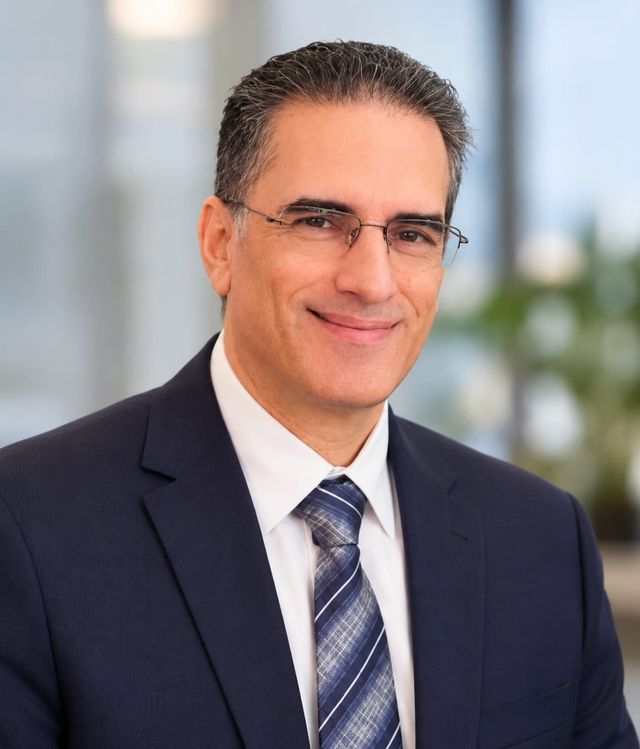
Joel Arberman has taken 17 companies public, several of them his own, across IPOs, direct listings and reverse mergers. That breadth matters because the right structure isn't always obvious at the outset, and the choice between a reverse merger, a direct listing and an IPO has real consequences for cost, timing and what the company can do afterward.
We work with small and mid-sized companies, helping them professionalize governance, prepare their financials and position themselves credibly for the public markets. What we bring isn't a standardized process. It's an understanding of how the choices made at the outset, including the quality of the shell, the terms of the merger and the governance in place before closing, shape everything the company can do afterward. We work with a small number of companies at a time because that level of coordination needs real attention.
Reverse merger: quick answers
How much does a public shell cost?
A decent, clean shell typically costs about $300,000, and the shell's shareholders keep part of the company. Accounting, audit and legal fees come on top. A very cheap shell usually carries problems.
How long does a reverse merger take?
About six months, typically four to six. It is the fastest route to being public.
When does a reverse merger make sense?
When speed truly matters, such as when investors are ready to invest and might be lost to a few extra months. Otherwise a direct listing is usually cleaner and less expensive.
What should you check before buying a shell?
Who was involved with it, what they did, and its liabilities and possible contingent liabilities. Hidden liabilities and bad actors are the main risks.
Can shareholders sell right after a reverse merger?
Not under Rule 144 at first. Shares of a former shell company can't be resold under Rule 144 until a year after the company files its full public information with the SEC.
Next step
If you're considering a reverse merger and want to know whether it's the right structure for your company, start with a straightforward conversation. We'll look at your current position, capital needs and timeline, and give you an honest assessment of whether a reverse merger, a direct listing or another path makes the most sense. There's no expectation to move forward. The goal is simply a clearer picture of your options.